Saggar firing is a method of firing pottery that originated in China during the 7th century (Eastern Jin and Southern Dynasties), It was used to protect porcelain from kiln debris and ash. It spread to Japan and later became essential in 18th-century European (especially Staffordshire) industrial ceramics before evolving into a modern decorative, atmospheric firing method.
The pottery is created and bisque fired. Next, the surface is covered with organic materials (seaweed, soda, salt, pine needles, leaves, etc. Then the pottery is placed in a saggar (this can be aluminum foil, clay or a larger pottery container). This keeps the organic materials tight against the pot and creates an oxygen free environment.
The saggar can then be pit fired, fired in a raku kiln or even an electric kiln.
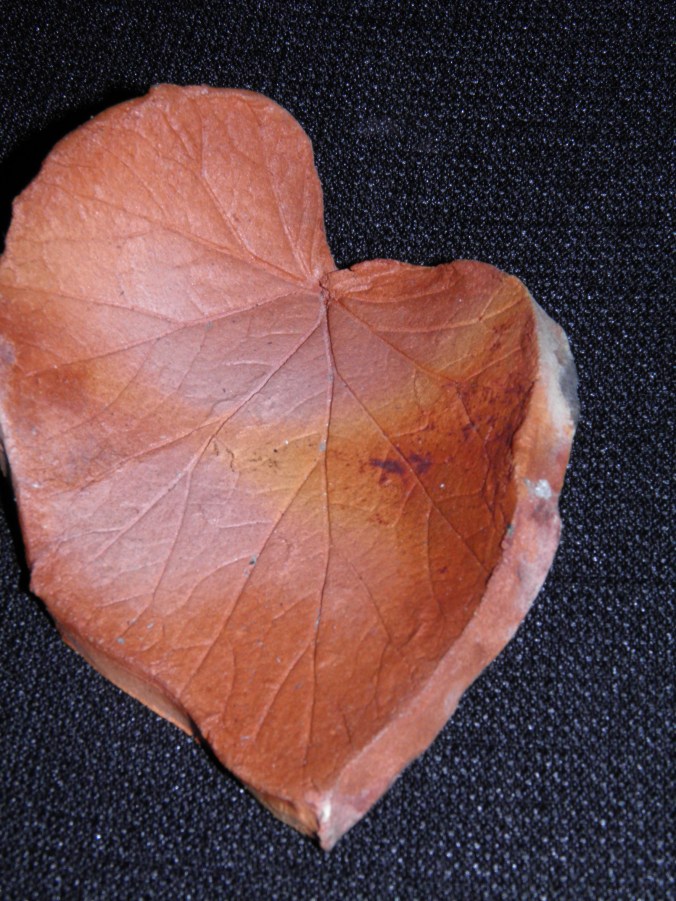
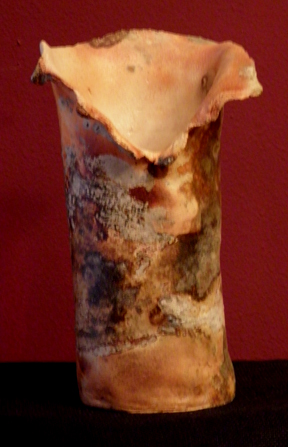
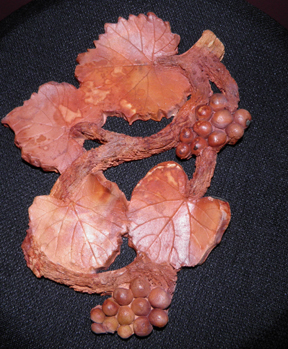
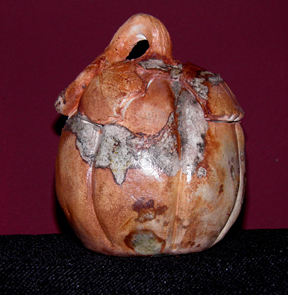
 Lois R. Davis Artist